There are two types of decisions we make: - routine decisions - significant decisions Deciding what dress to wear on any day is a routine decision. Should you take up a job in a different city and move to a whole new environment is a significant decision.
@123sarang I don’t need a coach. I am a coach 😜😀
If you've determination and storytelling skills, you can go far in life. My notes from conversation between @nicksalto & @patrick_oshag
Listen to the episode here: You can read through the transcript here: I'm sure you'll enjoy it.
Like @sivers, @nicksalto also has fascinating story about delivering happiness to his customers. Their delivery agents dress up in costumes just to make people laugh, take Polaroid pics of their delivery, and post on their Instagram. The post goes viral, their brand goes viral
If I was in Canada, I would order their chocolates just for the energy Nick poured in this episode. In fact, I found few folks doing just that:
If people become emotionally connected to us, they'll become emotionally connected to the chocolate Looking through their instagram feed and linkedin feed, I wholeheartedly agree they are building emotional connection with their employees and customers.
LinkedIn is a platform for boring content (Nick's words 😉) They tell instagram type storytelling on LinkedIn. I went to check their LI page. This is how they welcome their new Sales Director - Corrie Higgins:
How much storytelling is important to them? Their first hire was a videographer, not a sales person.
Their content team works more like a newsroom team than a marketing team. Every week, editorial team understands the challenges of the team and tell a powerful story. An example: They ran out of powdered coconut sugar. They sought help from their audiences & solved it.
Tell a great story of entrepreneurship without the hustle porn. What does it mean? Record everything, and act like a band. Instead of selling records, sell whatever you produce (in the case of Nick, that product is chocolate)
Two of the biggest CPG companies in the world own their media houses: • Ferrero Rocher • Red Bull They outsource the production of their products; but they own the story-telling - media-houses that does marketing for them
2) Storytelling I've heard how important storytelling is; but as I listened to @nicksalto I understood the operational details of corporate storytelling
Networking on steroids • organize the event • be on the speaker's list If not these two, your networking effort is wasted #networking
If you've long-term vision, you can optimize for things your peers are not optimizing for; this builds competitive advantage for you
1) Hard-work / determination Nick says this in different metaphors throughout the episode. Relentlessly • put one foot in front of the other • put a few bricks in front of the next (probably these metaphors are the products of his storytelling skills)
@Rahul_J_Mathur I think it depends on industry. @thenewsminute is south specific news portal, which seems to do well A2B is primarily in South that does well. But if we are talking abt large e-commerce then this advice seems to be true
@MeetshahV "Wanted" by @lukeburgis . Absolutely fascinated by it. Luke explains Rene Girarad's Mimetic theory and scapegoating superbly with lot of examples.
@mijustin @lukeburgis I am reading this book now. Fascinated. Rene G's books are hard to read. Glad Luke made Rene G's ideas readable for common people.
@RSiddhanti @YellowVisuals @JamesClear While James Clear talked about it, my realisation comes from here:
@aurasky_ Thank you Sathya
@AlejandroLanas1 My learning framework is: • consume • produce • engage As you say you need to execute. But unless you put it out and seek feedback you’ll not improve.
@binumathew @vonlooten @jgthms I like and use @tachyons_css. It makes me productive. And no build step if you don’t need customisation
@shreyas applies product thinking to hosting parties 😀 How people will pick up drinks etc
Taking inputs of people # including them in forming strategy. @EmmySobieski said: Becoming number one doesn’t happen from consensus:
Tech expert + market expert (one who understand market dynamics, pricing) shud be part of the strategy team.
Strategy is abt choices. When you involve everyone in forming the strategy, you are forced to make a union of every choice which dilutes the strategy. A small team shud own the strategy. Otherwise you get a bad strategy.
We don’t need more time. We need more contiguous blocks of time. Dedicate a day for thinking / strategy. I remember @singhtechnical doing this really well. We talked abt this in my podcast with him:
You shudn’t spend more than 10 - 15 % of your time on strategy. Rest will be on operations.
How to apply product thinking in services companies? @ShamailXD : take the services catalog of your company and see if you can standardise services. Did I get this right Shamail? What else would you add?
Vocabulary is important. But introducing vocabulary in abstract doesn’t help. Take a current situation and relate the vocabulary to the problems and struggles
Take the problems your team faces and apply product thinking to solve them. Don’t try to change anyone. Be a role model and let your team see and follow
You can apply product thinking to all sorts of thinking to bring abt the impact on your prospects & customers
Product thinking is being clear of motivations and taking the path towards the outcome expected towards that motivations
@heyandrewc Who are some of those on Twitter, Andrew?
@jspector My digital notebook is filled with your posts Josh. Thanks for sharing such value for free.
@heyandrewc • educate • entertain • engage
@StoryLuck @BellKanaar Most companies suffer from incoherent internal communication. Marketing teams focus on customers. None focus on employee communication. That's why I liked the concept of internal newsletter.
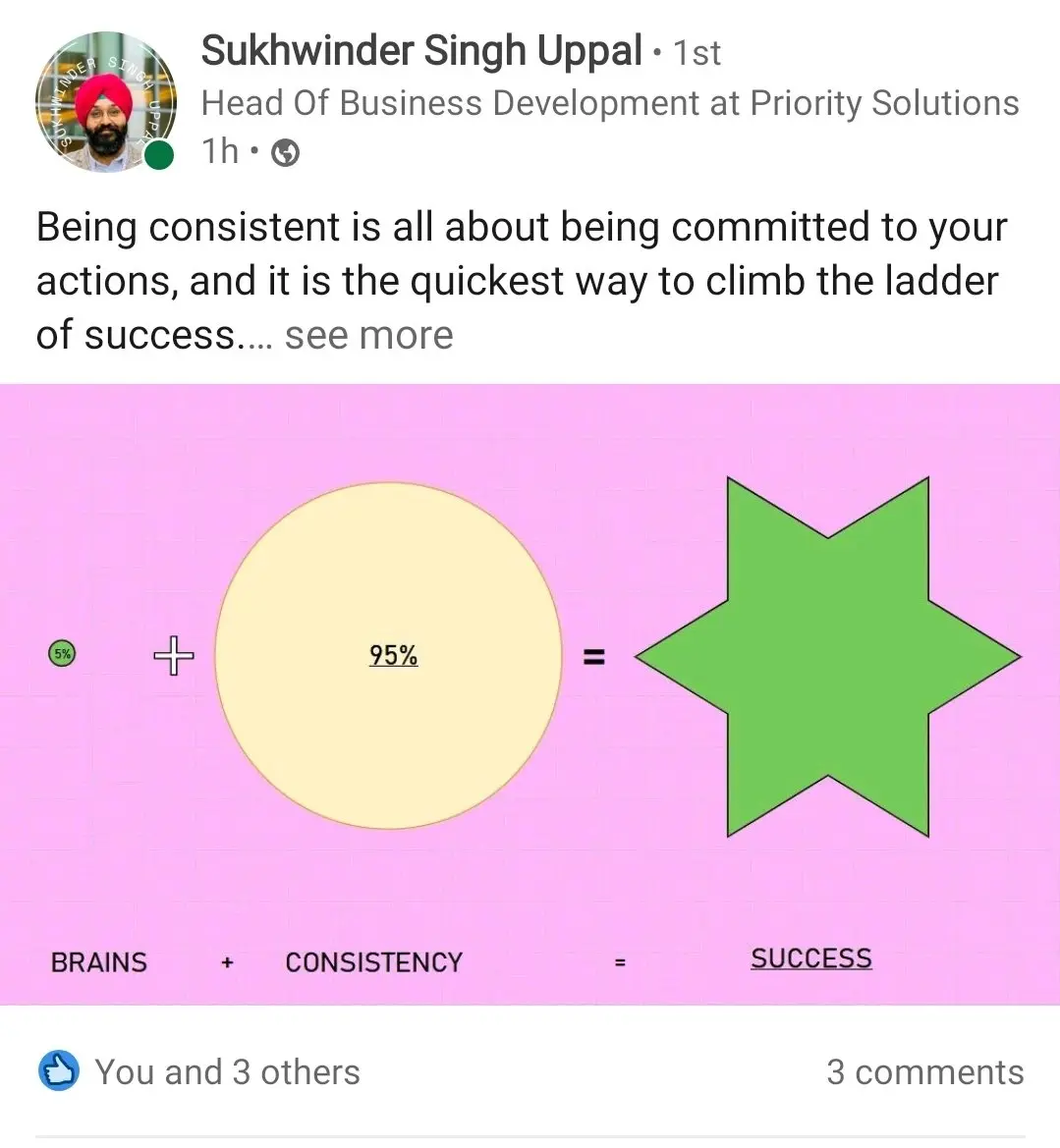
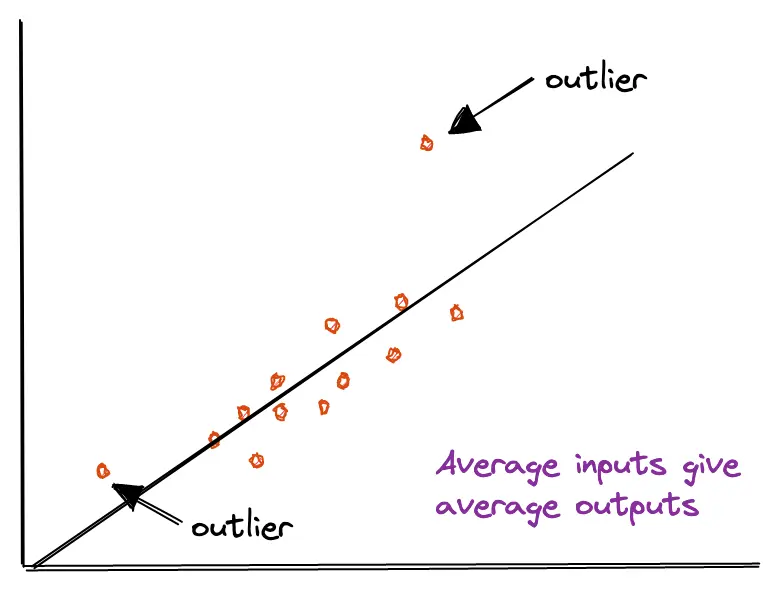
Your success depends more on consistent action rather than your brain power. Well visualised by @singhtechnical here
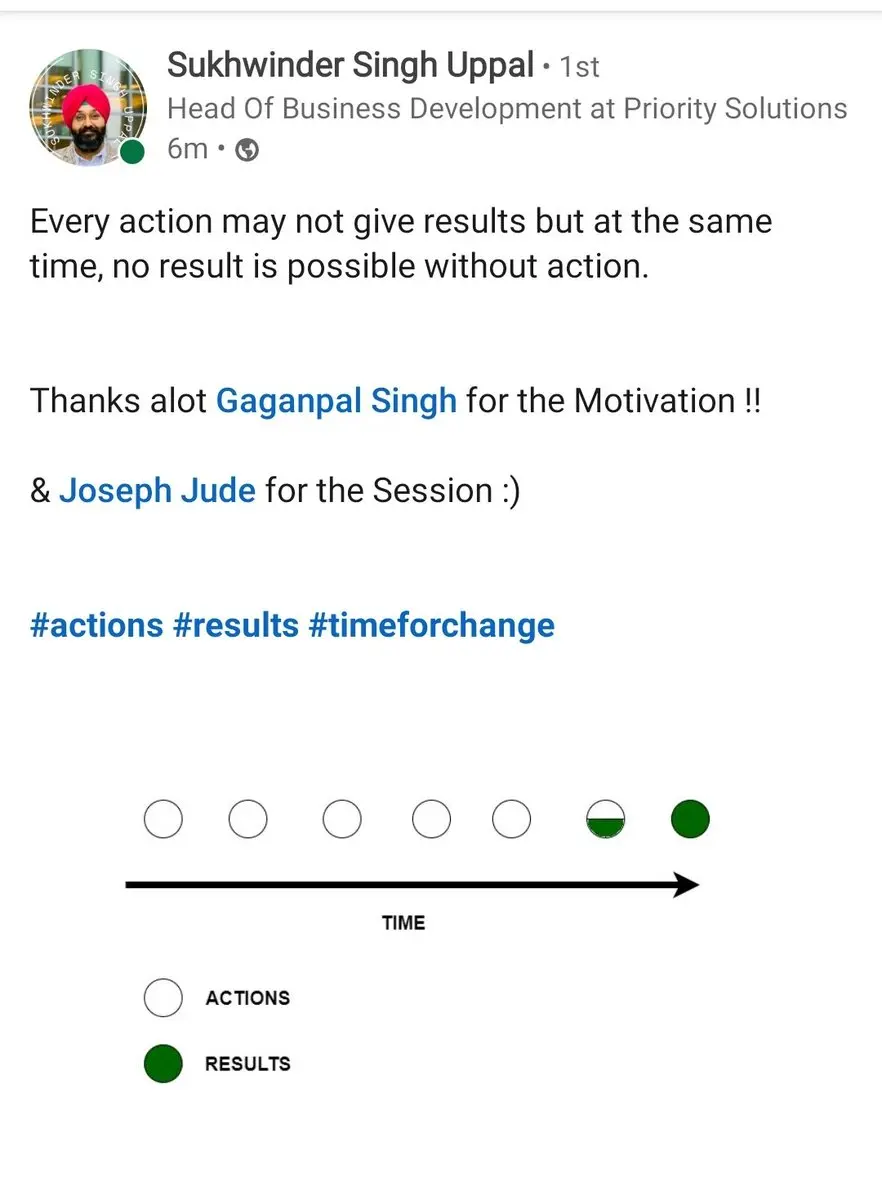
Here is one from @singhtechnical We suffer from expecting too much from a single action. When we consistently act, we can see amazing results.
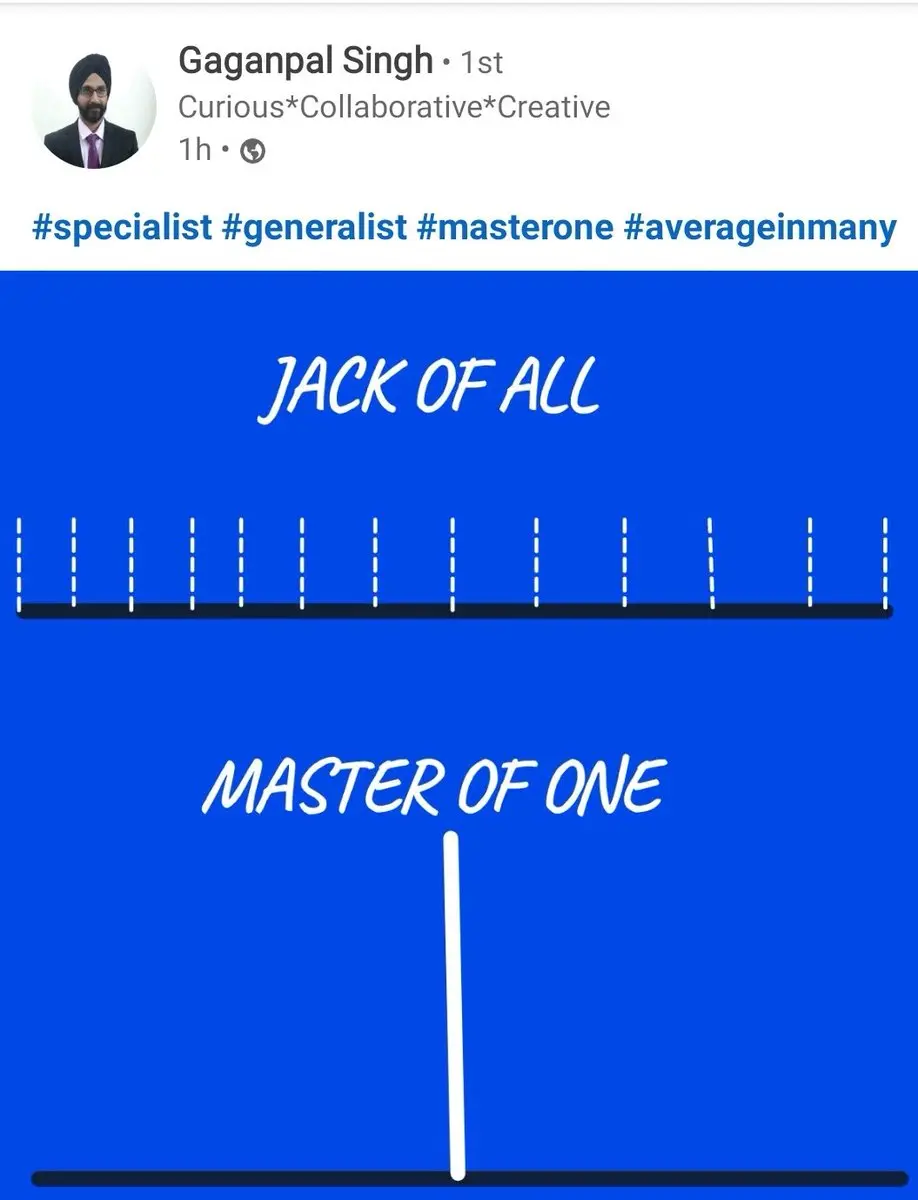
Another superb visuals from @orangeturban He is master of many skills - public speaking, sales, and now making visuals. What we should avoid is building only shallow knowledge in many domains and never going deep into one.
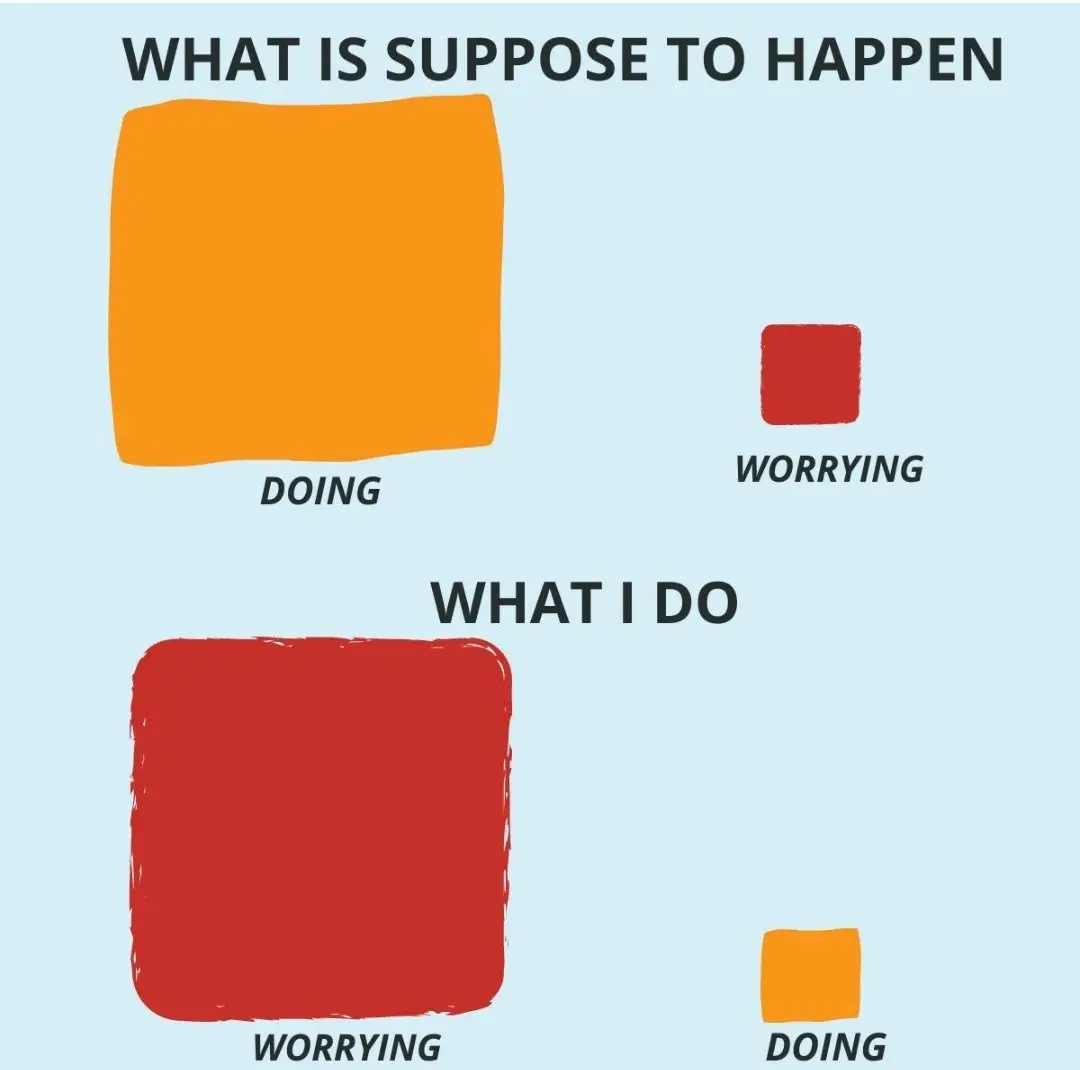
It is deceptively simple but with deep insight. Instead of spending time doing, we spend time worrying. Nice visual from @orangeturban
Soon after @singhtechnical & @orangeturban took it seriously and started creating visuals using the amazing @excalidraw Sharing some of their visuals.
@FoundationIncCo @PeterNeeds2Know Good news is you can amortise your effort in creating content. Most time in content creation is coming up with the core idea of the content. Once the idea is clear, you can contextualise that idea for different channels. A developer example and more:
Do small things with a perspective - @TheCoolestCool Perspective will differentiate you from the masses.
If you want humans to take action you need to understand the friction points and remove them - @BellKanaar
Research is underrated - @BellKanaar Listen to what leaders are talking abt. It is the inspiration but just a starting point. You then go ahead and do your research.
Don’t copy paste tweet on LinkedIn or FB. Content context matters for channels. Modify the context for these channels. Amortise your content but make it contextual